
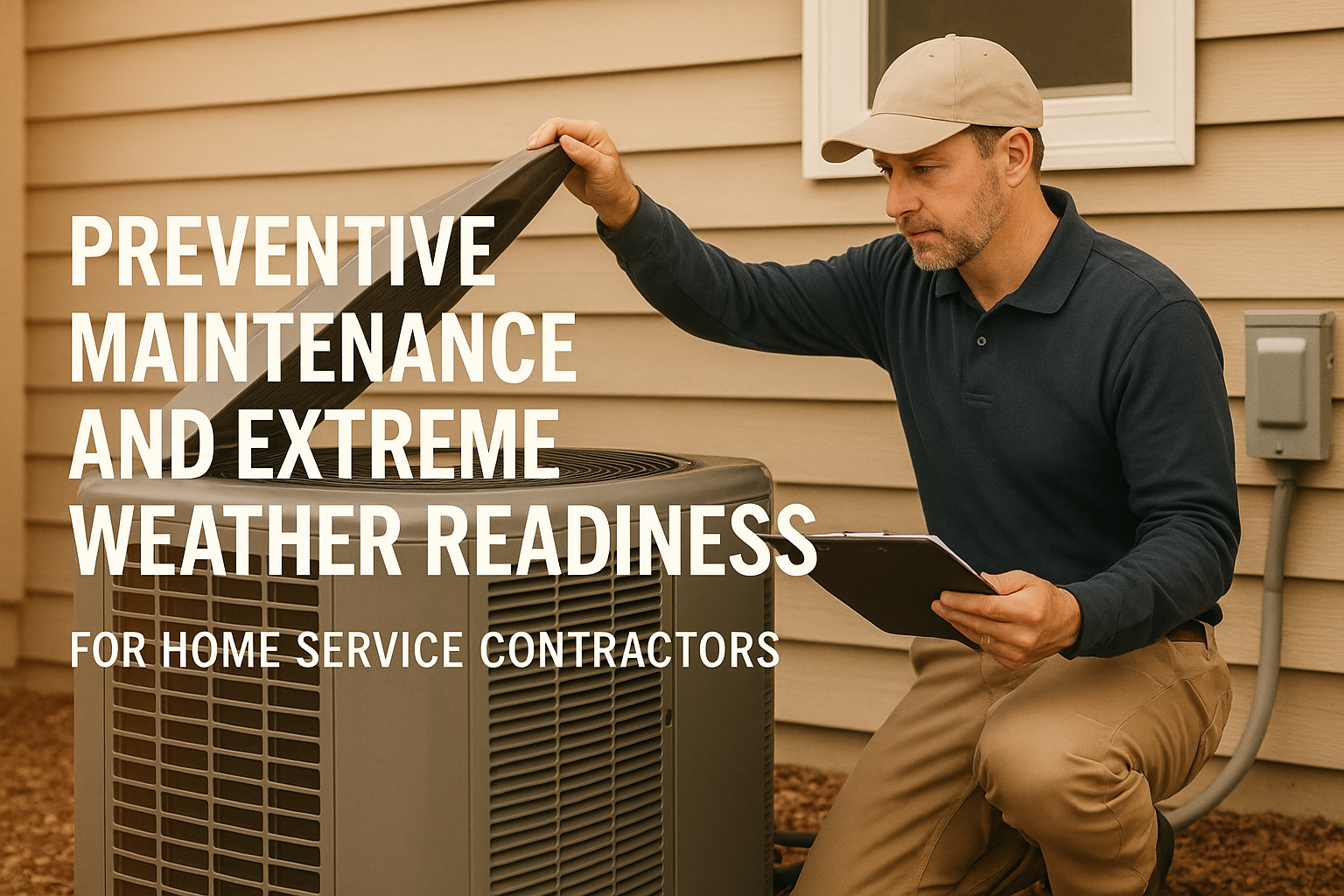
Introduction to Preventive Maintenance for Home-Service Contractors
In the home-service industries, preventive maintenance is a proactive approach aimed at preventing equipment failures and system breakdowns before they occur. This strategy involves regularly scheduled inspections, servicing, and upkeep of various home systems such as HVAC, plumbing, and electrical systems. Unlike reactive maintenance, which addresses issues after they have already caused a problem, preventive maintenance focuses on upkeep and early detection to ensure that everything operates smoothly and efficiently. This is particularly crucial in home-service industries where the reliability and longevity of systems directly impact the comfort and safety of homeowners.
The importance of preventive maintenance cannot be overstated. For contractors, it offers a predictable workflow and a steady stream of business throughout the year. By scheduling regular maintenance visits, contractors can better manage their time and resources, reducing the likelihood of emergency calls that can disrupt schedules and increase operational costs. Moreover, preventive maintenance helps in building long-term relationships with clients, as it fosters trust and demonstrates a commitment to quality service.
From the clients’ perspective, the benefits are equally compelling. Regular maintenance can significantly extend the lifespan of home systems, reducing the need for costly repairs or replacements. It also ensures that these systems run efficiently, which can lead to lower utility bills and a smaller environmental footprint. Additionally, preventive maintenance can improve indoor air quality and overall home safety, providing peace of mind to homeowners.
As climate change continues to bring more extreme weather conditions, the demand for proactive maintenance is on the rise. Unpredictable weather patterns can put additional stress on home systems, making regular check-ups more important than ever. For instance, HVAC systems must work harder during heatwaves or cold snaps, increasing the risk of breakdowns. By adopting a preventive maintenance approach, contractors can help clients prepare for these challenges, ensuring that their homes remain comfortable and safe regardless of external conditions.
In conclusion, preventive maintenance is not just a strategy but a necessity in today’s home-service landscape. It offers a win-win situation for both contractors and clients, promoting efficiency, reliability, and sustainability. As the effects of climate change become more pronounced, the role of preventive maintenance will only grow in significance, making it an indispensable part of modern home-service practices.
Understanding the Impact of Extreme Weather on Home Systems
Extreme weather events, ranging from violent storms to prolonged heatwaves and unexpected cold snaps, can have a profound impact on the various systems that keep our homes functional and safe. As contractors, it’s crucial to understand these impacts to better serve our clients and ensure their homes are resilient against nature’s fury. Storms, for instance, can bring heavy rains, strong winds, and even hail, which can lead to a host of problems. One of the most common issues is roof damage, where shingles are torn off or gutters are clogged, leading to water infiltration and potential structural damage. This not only compromises the integrity of the home but can also result in costly repairs if not addressed promptly.
Heatwaves, on the other hand, pose a different set of challenges. Prolonged exposure to high temperatures can cause HVAC systems to work overtime, leading to potential failures. When these systems are pushed beyond their limits, they can break down, leaving homeowners without the means to cool their homes. This can be particularly dangerous during heatwaves, as it increases the risk of heat-related illnesses. Additionally, the increased strain on electrical systems can lead to power outages or, in worst-case scenarios, electrical fires. It’s important for contractors to assess and upgrade these systems to handle the demands of extreme heat, ensuring they are both efficient and safe.
Cold snaps present their own set of difficulties, primarily affecting plumbing systems. When temperatures plummet, the water inside pipes can freeze and expand, causing pipes to burst. This can lead to significant water damage and disruption of water supply, which is both inconvenient and potentially hazardous. Furthermore, the increased use of heating systems during cold weather can lead to issues such as furnace failures or carbon monoxide leaks if these systems are not properly maintained. The financial implications of such failures can be substantial, with repair costs and increased energy bills adding to the burden. Moreover, the safety risks associated with extreme weather-related home system failures cannot be overstated. From the potential for fires due to electrical overloads to the health hazards posed by extreme temperatures, the safety of homeowners is at stake.
In conclusion, the impact of extreme weather on home systems is both far-reaching and complex. As contractors, it is our responsibility to anticipate these challenges and provide solutions that enhance the durability and safety of homes. By understanding the potential issues caused by storms, heatwaves, and cold snaps, we can better equip ourselves to address them, ultimately saving our clients from the financial and safety implications of weather-related failures.
Preventive Maintenance Quick Checklist (Use This Before the Next Storm)
- Confirm all customer equipment ages, model numbers, and last service dates in your CRM.
- Stock the top 20 failure parts for your service area’s most common systems (capacitors, igniters, contactors, pressure switches, fuses, breakers, shutoff valves).
- Standardize photo documentation (before/after) and add it to every maintenance visit.
- Test emergency shutoffs, surge protection, and condensate drain safety switches during every tune-up.
- Run a “bad weather” dispatch drill: after-hours call routing, priority tiers, and text updates.
- Offer pre-season reminders (email/SMS) and a simple online booking link.
Key Components of a Robust Maintenance Plan
A well-structured maintenance plan is the backbone of any successful contracting business, ensuring that operations run smoothly, efficiently, and cost-effectively. At the heart of such a plan lies a comprehensive preventive maintenance strategy. This strategy is not just about reacting to problems as they arise but proactively addressing potential issues before they escalate into costly repairs or downtime. The essential elements of a preventive maintenance plan include meticulously planned inspection schedules, detailed task lists, and strategic resource allocation. Inspection schedules should be tailored to the specific needs of the equipment and facilities, taking into account manufacturer recommendations, usage patterns, and environmental factors. These schedules provide a roadmap for regular check-ups, ensuring that all assets are consistently monitored and maintained.
Equally important is the development of detailed task lists. These lists should outline the exact procedures to be followed during each maintenance session, ensuring that no critical steps are overlooked. A well-defined task list not only enhances the efficiency of the maintenance team but also reduces the likelihood of human error. Alongside these lists, effective resource allocation is crucial. This involves ensuring that the necessary tools, parts, and personnel are available when needed, preventing delays and maximizing productivity. By striking the right balance between these elements, contractors can create a preventive maintenance plan that not only extends the lifespan of equipment but also optimizes operational performance.
While a standardized maintenance plan provides a solid foundation, it is imperative to customize these plans based on regional weather patterns and client needs. For instance, a maintenance plan for a facility in a region prone to extreme temperatures or high humidity will differ significantly from one in a more temperate climate. Understanding these environmental factors allows contractors to anticipate potential challenges and adjust their strategies accordingly. Similarly, client needs and preferences play a vital role in shaping maintenance plans. Whether it’s adhering to specific compliance requirements or accommodating unique operational schedules, customization ensures that the maintenance plan aligns with the client’s objectives and enhances satisfaction.
In today’s data-driven world, the role of data collection and analysis in refining maintenance strategies cannot be overstated. By leveraging advanced tools and software, contractors can gather valuable insights into equipment performance, maintenance histories, and operational trends. This data-driven approach enables the identification of patterns and potential issues, allowing for more informed decision-making. For example, analyzing data might reveal that certain components fail more frequently under specific conditions, prompting a review and adjustment of maintenance protocols. By continuously refining strategies through data analysis, contractors can ensure that their maintenance plans remain robust, relevant, and responsive to evolving needs.
Creating Effective Service Agreements for Long-Term Client Relationships
In the contracting world, the foundation of a successful and lasting client relationship often lies in a well-crafted service agreement. A comprehensive service agreement is not just a legal document; it is a blueprint for a fruitful partnership that ensures both parties understand their roles, responsibilities, and expectations. At its core, a service agreement should clearly define the scope of work. This means outlining the specific services you will provide, the deliverables the client can expect, and the timeline for completion. By detailing the scope of work, you set clear boundaries and prevent misunderstandings that could lead to disputes down the line.
Equally important is the aspect of pricing. Your service agreement should be transparent about the costs involved, including any upfront fees, recurring charges, and payment terms. This not only helps in managing client expectations but also ensures that you are compensated fairly for your work. Including a section on late payment penalties or incentives for early payments can further safeguard your financial interests.
Another critical component is the response times for service requests or issue resolution. Clearly defining these times helps manage client expectations and ensures that you can deliver timely and efficient service. For instance, specifying a 24-hour response time for client inquiries or a 48-hour turnaround for minor issues can help set a standard for communication and service delivery.
When drafting service agreements, clarity and enforceability should be your guiding principles. Use straightforward language to avoid ambiguity and ensure that both parties understand the terms. Including a clause on dispute resolution can be beneficial, as it provides a roadmap for resolving conflicts without resorting to litigation. Additionally, incorporating a termination clause that outlines the conditions under which either party can end the agreement can protect your business from unforeseen circumstances.
Long-term service agreements offer significant benefits for both contractors and clients. For contractors, they provide a stable revenue stream and foster a deeper understanding of the client’s needs, leading to more personalized and effective service. For clients, long-term agreements often result in cost savings and the assurance of consistent, reliable service. This mutual benefit is a key driver of client retention and business stability, as it encourages a partnership that evolves and strengthens over time.
In conclusion, a well-structured service agreement is an essential tool for building and maintaining long-term client relationships. By focusing on clarity, transparency, and mutual benefit, you can create agreements that not only protect your interests but also lay the groundwork for enduring and successful partnerships.
Preparing for Extreme Weather: Strategies and Best Practices
As a contractor, preparing for extreme weather events is not just a precaution—it’s a necessity. The unpredictable nature of storms, hurricanes, and other natural disasters can pose significant risks to your equipment, inventory, and ongoing projects. To mitigate these risks, it’s crucial to have a comprehensive plan in place. One of the first steps in this plan is to create a detailed checklist of actions to take before the weather turns severe. This checklist should include securing all equipment and machinery. For instance, anchoring cranes and scaffolding, moving smaller tools and equipment to safe, elevated locations, and covering sensitive machinery with waterproof tarps can prevent costly damages. Additionally, inventory should be stored in waterproof containers or moved to higher ground to avoid flood damage. Taking these steps not only protects your assets but also ensures that you can quickly resume operations once the weather clears.
Communication is another critical component of effective extreme weather preparedness. Before an event, it’s essential to keep your clients informed about any potential delays or changes to project timelines. This transparency builds trust and helps manage expectations. During the event, maintain regular updates to ensure everyone is aware of the situation’s status. After the weather event has passed, promptly assess any damages and communicate with clients about the next steps. This might include rescheduling work, adjusting timelines, or discussing repair strategies. Effective communication throughout this process can significantly reduce misunderstandings and foster a collaborative approach to recovery.
The importance of having a robust emergency response plan cannot be overstated. This plan should outline the steps to be taken before, during, and after a weather event. It should include designated roles and responsibilities for your team, ensuring everyone knows what to do and who to report to. The plan should also detail evacuation routes, emergency contact information, and procedures for shutting down operations safely. By having a clear and well-rehearsed plan, you can minimize damage and ensure a quicker recovery. This not only protects your business but also ensures the safety of your employees and the continuity of your projects. In the face of extreme weather, preparation and planning are your best defenses.
Implementing Technology in Maintenance and Weather Readiness
In the fast-paced world of contracting, staying ahead of maintenance tasks and weather challenges is crucial for success. The integration of advanced software tools and apps has revolutionized the way contractors manage their operations, offering unprecedented efficiency and reliability. These digital solutions provide robust platforms for scheduling, tracking, and managing maintenance tasks, ensuring that no detail falls through the cracks. By leveraging cloud-based systems, contractors can access real-time data and updates from anywhere, facilitating better collaboration among team members and reducing the likelihood of missed deadlines or overlooked maintenance issues. This level of organization not only enhances productivity but also contributes to the overall longevity and performance of equipment and infrastructure.
In addition to streamlining maintenance, technology plays a pivotal role in weather readiness. Extreme weather conditions can pose significant risks to construction projects, leading to delays, safety hazards, and costly damages. Fortunately, weather monitoring technologies have become indispensable tools for contractors looking to anticipate and respond to such challenges. Advanced weather monitoring systems provide accurate and timely forecasts, allowing contractors to make informed decisions about project timelines and resource allocation. For instance, if a severe storm is predicted, contractors can proactively reschedule work, secure materials, and ensure the safety of their crew. This proactive approach not only minimizes downtime but also enhances the safety and resilience of construction sites.
Furthermore, the integration of IoT (Internet of Things) devices has opened new avenues for real-time system monitoring and predictive maintenance. IoT devices, such as sensors and smart meters, can be deployed across various points of a construction site or infrastructure to collect and transmit data continuously. This data can include information on equipment performance, environmental conditions, and structural health. By analyzing this data, contractors can identify potential issues before they escalate into major problems, enabling them to perform maintenance proactively rather than reactively. This shift towards predictive maintenance not only reduces the risk of unexpected breakdowns but also extends the lifespan of machinery and reduces overall maintenance costs. The ability to monitor systems in real-time ensures that contractors can respond swiftly to any anomalies, further enhancing the efficiency and reliability of their operations.
How to Turn Weather Readiness Into a Simple Maintenance Plan Offer
- Pick 3 plan tiers (Bronze/Silver/Gold) and define what’s included (visits per year, diagnostic fee rules, priority scheduling).
- Build a “pre-season” workflow for spring and fall: batch route planning, filter/consumable upsells, and safety checks.
- Create a one-page script that explains the plan in homeowner language: fewer emergencies, lower surprise costs, faster help during storms.
- Track 5 metrics: renewal rate, attach rate on repairs, average ticket on members vs non-members, callback rate, and seasonal capacity.
- Promote it locally with a landing page + Google Business Profile posts + review requests after each maintenance visit.
Case Studies: Successful Preventive Maintenance and Weather Preparedness
In the world of contracting, the ability to anticipate and mitigate potential issues through preventive maintenance and weather preparedness can be the difference between success and failure. Let’s delve into some real-world examples of contractors who have effectively implemented these strategies, reaping significant benefits in the process.
One notable example is a mid-sized construction firm based in the Midwest, which faced the annual challenge of severe winter weather. By adopting a comprehensive preventive maintenance program, the company systematically inspected and serviced all equipment before the onset of winter. This included regular checks of heating systems, insulation, and weatherproofing measures for construction sites. The result was a remarkable 90% reduction in weather-related downtime, allowing them to complete projects on time and within budget. This proactive approach not only improved client satisfaction but also significantly cut costs associated with emergency repairs and project delays.
Another compelling case comes from a coastal contractor who frequently dealt with the threat of hurricanes. This contractor implemented a weather readiness strategy that involved real-time weather monitoring and a detailed emergency response plan. By investing in robust communication systems and conducting regular drills with their team, they ensured swift mobilization and resource allocation when a hurricane was imminent. The outcome was a 50% decrease in project disruptions during the hurricane season. This not only enhanced their business resilience but also solidified their reputation as a reliable contractor, leading to increased client retention and new business opportunities.
Drawing lessons from these case studies, several actionable insights emerge for contractors in different contexts. Firstly, the importance of a well-structured preventive maintenance schedule cannot be overstated. It not only extends the lifespan of equipment but also minimizes the risk of unexpected failures. Secondly, integrating advanced weather monitoring technologies can provide contractors with the foresight needed to prepare for adverse conditions. Lastly, having a clear and practiced emergency response plan is crucial for maintaining operations during extreme weather events.
In conclusion, these examples underscore the value of preventive maintenance and weather preparedness in the contracting industry. By learning from these successful strategies, contractors can enhance client satisfaction, reduce costs, and build a more resilient business model. The key is to remain proactive, adaptable, and committed to continuous improvement in the face of ever-changing weather patterns and operational challenges.
Conclusion: Building a Resilient Home-Service Business
In the ever-evolving landscape of home-service businesses, the key to long-term success lies in resilience and adaptability. Throughout this blog post, we have explored various facets of building a robust home-service business, emphasizing the importance of proactive maintenance and weather preparedness. These elements are not just optional strategies but essential components that can significantly impact the sustainability and growth of your enterprise.
Proactive maintenance is the cornerstone of a reliable home-service business. By anticipating potential issues and addressing them before they escalate, contractors can save both time and resources. This approach not only minimizes downtime but also enhances customer satisfaction, as clients appreciate the foresight and care that goes into maintaining their homes. Moreover, a well-maintained service vehicle and equipment ensure that your team can respond promptly and efficiently to any call, reinforcing your reputation as a dependable service provider.
Weather preparedness is another critical aspect that cannot be overlooked. As climate patterns become increasingly unpredictable, the ability to adapt to changing environmental conditions is more important than ever. Contractors must stay informed about weather forecasts and have contingency plans in place to handle extreme conditions. This includes having the right tools and materials to address weather-related damage and ensuring that your team is trained to respond effectively. By being prepared, you not only protect your business assets but also demonstrate to your clients that you are a trustworthy partner in safeguarding their homes.
Adopting a mindset of continuous improvement and adaptation is crucial for thriving in this industry. The home-service sector is not static; it requires ongoing learning and evolution. Contractors should regularly assess their practices, seek feedback, and be open to new technologies and methods that can enhance their services. This commitment to growth ensures that your business remains competitive and can meet the changing needs of your customers.
In conclusion, building a resilient home-service business is about more than just surviving; it’s about thriving in the face of challenges. By prioritizing proactive maintenance, preparing for weather-related challenges, and committing to continuous improvement, contractors can build a strong, reliable, and sustainable business that stands the test of time.
In conclusion, the importance of preventive maintenance and extreme weather readiness for home-service contractors cannot be overstated. By prioritizing regular maintenance checks, contractors can significantly reduce the number of emergency calls, ensuring a more predictable and manageable workload. For instance, an HVAC contractor who conducts routine inspections and cleanings can prevent sudden breakdowns during a heatwave, keeping clients comfortable and avoiding costly emergency interventions. Similarly, a plumbing contractor who regularly checks for leaks and corrosion can avert potential disasters, such as burst pipes during a cold snap, thereby maintaining a steady stream of business and reinforcing client trust.
Electrical contractors, too, benefit from preventive maintenance by identifying and resolving issues like faulty wiring or outdated components before they escalate into serious hazards. This proactive approach not only enhances safety but also stabilizes revenue streams by fostering long-term client relationships. Extreme weather readiness further complements these efforts, allowing contractors to respond swiftly and effectively to weather-related challenges, thereby minimizing downtime and maximizing service availability.
Ultimately, implementing comprehensive maintenance plans is a strategic move that not only safeguards the integrity of home systems but also ensures a stable and sustainable business model. By embracing these practices, contractors can transform their operations, turning potential crises into opportunities for growth and excellence.
For more insights and resources on mastering preventive maintenance and extreme weather readiness, visit Vortex Local. Discover how you can elevate your services and ensure your clients’ homes are always in top condition, no matter the weather.